Introduction
“Corporate governance” sounds like something only board members and lawyers need to worry about, but the truth is, every manager benefits from understanding corporate governance basics — it shapes how decisions get made above your level and why certain processes exist the way they do. This guide breaks down the core concepts in plain language, without the legal textbook tone.
What Corporate Governance Actually Means
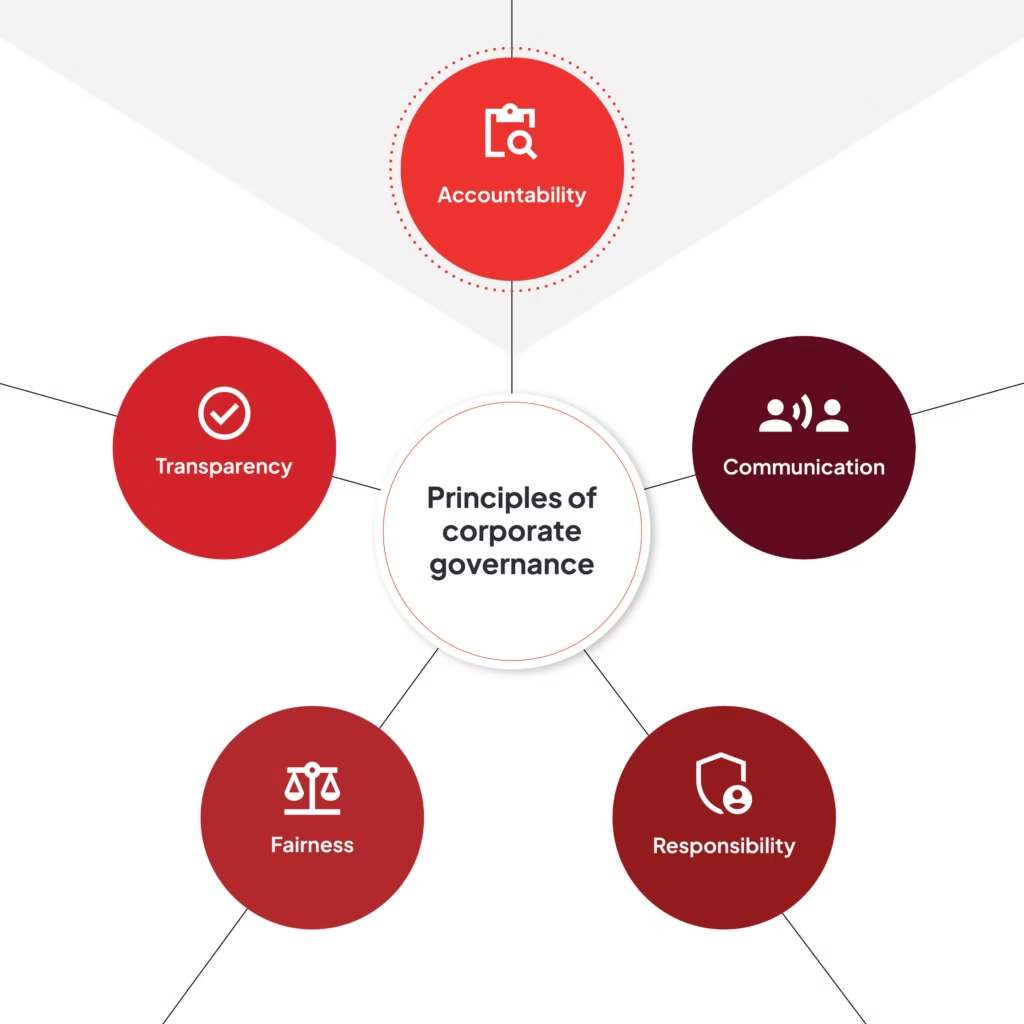
At its core, corporate governance is the system of rules, practices, and processes by which a company is directed and controlled. It defines who makes decisions, how accountability works, and how the interests of shareholders, employees, and other stakeholders are balanced.
Quick answer: Corporate governance basics refer to the framework of rules and relationships that determine how a company is directed and controlled — covering the board of directors, management accountability, shareholder rights, and regulatory compliance.
The Role of the Board of Directors
The board is responsible for overseeing company strategy and protecting shareholder interests, but it doesn’t manage day-to-day operations — that’s the executive team’s job. A well-functioning board typically includes a mix of executive and independent directors to avoid conflicts of interest.
Independent directors, who have no financial ties to the company beyond their board role, are meant to provide objective oversight, especially on issues like executive compensation and major strategic decisions.
Separation of Ownership and Management
One of the foundational principles of corporate governance is the separation between those who own the company (shareholders) and those who manage it (executives). This separation is what makes governance structures necessary in the first place — without oversight, management could act in ways that benefit themselves rather than shareholders.
Key Committees Within Corporate Governance
- Audit Committee — oversees financial reporting accuracy and internal controls
- Nomination and Remuneration Committee — handles executive appointments and compensation
- Risk Management Committee — identifies and monitors major business risks
- CSR Committee — oversees corporate social responsibility obligations (mandatory for certain companies in India)
Shareholder Rights and Protections
Shareholders have the right to vote on major decisions, receive accurate financial information, and hold management accountable through annual general meetings. Understanding these rights matters even for managers, since decisions you make can eventually be scrutinized in this context.
Quick answer: Shareholder rights within corporate governance typically include voting on major decisions, access to accurate financial disclosures, and the ability to raise concerns at annual general meetings — protections designed to prevent management from acting solely in their own interest.
Compliance and Regulatory Framework in India
Indian companies are governed primarily by the Companies Act, 2013, along with SEBI regulations for listed companies. This framework mandates specific disclosures, board composition rules, and reporting requirements that vary based on company size and whether it’s publicly listed.
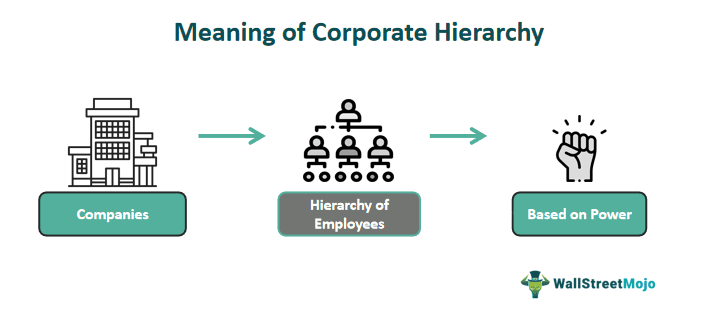
[link to related guide on corporate hierarchy structure here]
Why Corporate Governance Matters for Managers, Not Just Executives
Even mid-level managers benefit from understanding governance basics — it explains why certain approvals take longer, why documentation matters so much for major decisions, and how the company’s risk appetite is actually set from the top down.
Common Corporate Governance Failures
Poor governance often shows up as concentrated decision-making power in a single individual, lack of transparent reporting, or boards that rubber-stamp management decisions without real scrutiny. These weaknesses tend to surface dramatically during a crisis, when accountability structures are tested the most.
FAQs
Q1: Why is corporate governance important for a company’s success? Strong governance builds investor trust, reduces the risk of fraud or mismanagement, and generally correlates with better long-term financial performance and stability.
Q2: What’s the difference between the board of directors and management? The board sets strategic direction and provides oversight, while management handles the actual day-to-day execution of that strategy.
Q3: Do small private companies need formal corporate governance? While the legal requirements are lighter, even small companies benefit from basic governance practices like clear decision-making processes and financial transparency.
Q4: What is an independent director’s role in corporate governance? Independent directors provide unbiased oversight, particularly on matters like executive pay, audits, and major strategic decisions, since they have no financial stake beyond their board position.
Q5: How does corporate governance protect shareholders? It ensures shareholders have voting rights, access to accurate information, and legal recourse if management acts against their interests.
Q6: What laws govern corporate governance in India? The Companies Act, 2013 is the primary legislation, supplemented by SEBI regulations for publicly listed companies.
Conclusion
Understanding corporate governance basics isn’t just for board members — it helps every manager understand the “why” behind company processes and decision-making structures. Whether you’re aiming for a leadership role or simply want to understand how your company actually operates at the top level, these fundamentals give you a clearer picture of the bigger organizational machine you’re part of.
Suggested Alt Text: “Board of directors meeting discussing corporate governance and compliance”