Introduction
Ask ten business owners to explain the difference between bookkeeping vs accounting, and you’ll likely get ten different vague answers — or a confused shrug. These two functions are related but distinctly different, and understanding the difference helps you know exactly what kind of help your business actually needs at each stage. This guide clears up the confusion once and for all.
What Bookkeeping Actually Involves
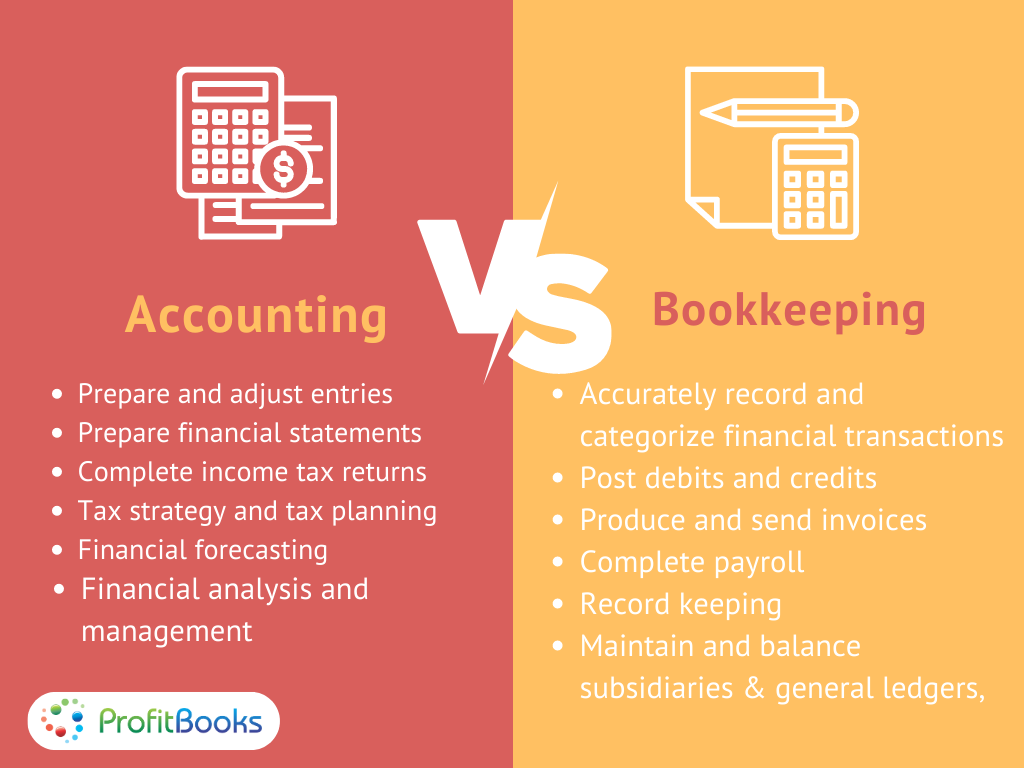
Bookkeeping is the day-to-day recording of financial transactions — every sale, purchase, receipt, and payment gets logged systematically. It’s the foundational data layer that everything else in your business’s finances is built on.
Quick answer: Bookkeeping is the process of recording daily financial transactions accurately and consistently, forming the raw data that accountants later use for analysis, tax filing, and financial reporting.
A bookkeeper’s core responsibilities typically include recording transactions, reconciling bank statements, managing invoices, and tracking receivables and payables.
What Accounting Actually Involves
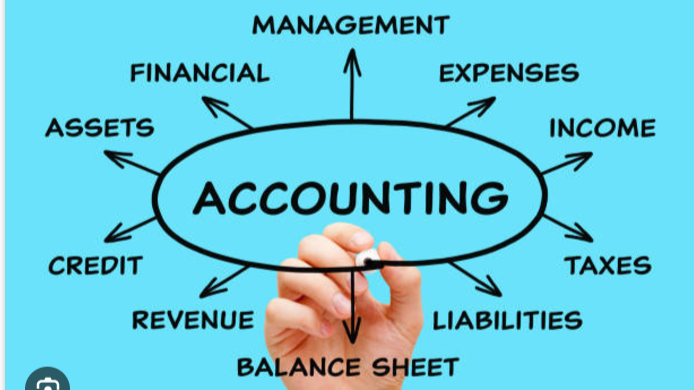
Accounting takes the data bookkeeping produces and turns it into meaningful financial insight — preparing financial statements, analyzing profitability, ensuring tax compliance, and advising on financial strategy. It’s a higher-level, more analytical function.
Key Differences at a Glance
- Bookkeeping is transactional and record-keeping focused; accounting is analytical and strategic
- Bookkeepers typically don’t need formal certification; accountants (especially CAs) require professional qualification
- Bookkeeping happens daily or weekly; accounting activities are often monthly, quarterly, or annual
- Bookkeeping data feeds directly into the accounting process — you can’t have good accounting without good bookkeeping first
Do You Need Both, or Just One?
For a small business just starting out, basic bookkeeping might be enough, especially if you’re using simple software. But as your business grows — hiring employees, dealing with GST filings, seeking investment — proper accounting becomes essential for compliance and strategic decision-making.
Quick answer: Most small businesses need bookkeeping from day one to track transactions accurately, but should bring in formal accounting support once revenue, tax complexity, or hiring reaches a level where compliance and financial strategy genuinely matter.
Common Bookkeeping Mistakes That Hurt Small Businesses
- Mixing personal and business expenses in the same account
- Not reconciling bank statements regularly, leading to errors piling up
- Falling behind on invoicing, which delays cash flow visibility
- Using spreadsheets long after the business has outgrown them
[link to related guide on accounting tips for startups here]
When to Hire a Professional Accountant
If you’re spending more time confused by GST filings than actually running your business, or if you’re preparing for a funding round that requires audited financials, it’s time to bring in a Chartered Accountant rather than continuing to handle things yourself.
Software Tools That Bridge Both Functions
Tools like Tally, Zoho Books, and QuickBooks have blurred the line between bookkeeping and accounting somewhat, offering automated bank reconciliation and basic financial reporting — but they still require someone who understands accounting principles to interpret the output correctly.
FAQs
Q1: Can I do my own bookkeeping without any accounting knowledge? Yes, basic bookkeeping is manageable for most small business owners with simple software, though errors tend to compound if you’re not consistent about recording transactions.
Q2: Is a bookkeeper cheaper to hire than an accountant? Generally yes — bookkeepers typically charge lower rates than Chartered Accountants since the work requires less specialized training and certification.
Q3: At what revenue point should a small business hire an accountant? There’s no fixed number, but once you’re dealing with GST compliance, employee payroll, or preparing for external funding, professional accounting support becomes valuable regardless of exact revenue.
Q4: Can the same person handle both bookkeeping and accounting for a small business? Yes, many small businesses hire a single accounting professional who handles both functions, especially in the early stages before the business scales significantly.
Q5: What software is best for small business bookkeeping in India? Tally and Zoho Books are among the most widely used, particularly for GST-compliant invoicing and basic financial reporting.
Q6: How often should bookkeeping records be updated? Ideally weekly, though daily updates prevent backlogs, especially for businesses with a high volume of transactions.
Conclusion
Understanding the difference between bookkeeping vs accounting helps you make smarter decisions about where to invest your limited time and money as a business owner. Start with solid bookkeeping habits from day one, and bring in professional accounting support as your business complexity grows. Getting this foundation right early saves significant headaches — and money — down the line.