Introduction
Most founders didn’t start their company because they love spreadsheets — but ignoring the numbers is one of the fastest ways to sink an otherwise promising startup. These accounting tips for startups are written specifically for founders with zero finance background, focusing on what actually matters in the early stages rather than overwhelming you with textbook theory.
Tip 1: Separate Business and Personal Finances Immediately
This is the single most important step, and it’s shockingly common for early founders to skip it. Open a dedicated business bank account from day one, even before formal registration if you’re testing an idea — mixing finances makes everything downstream (taxes, investor due diligence, basic tracking) exponentially harder.
Tip 2: Track Cash Flow, Not Just Revenue
Quick answer: Cash flow tracking means monitoring the actual timing of money coming in and going out, which matters more for survival than revenue on paper, since a business can look profitable on paper while still running out of actual cash to pay bills.
A simple weekly cash flow snapshot — money in, money out, running balance — catches problems weeks before they become emergencies.
Tip 3: Understand Your Burn Rate
Your burn rate is how much cash you’re spending monthly beyond what you’re earning. Knowing this number cold — not roughly, but exactly — tells you precisely how many months of runway you have left at any given moment.
- Calculate burn rate monthly: total expenses minus total revenue
- Divide current cash balance by burn rate to get runway in months
- Review this number at least monthly, more often if runway is under 6 months
Tip 4: Use Accounting Software From Day One
Skip the spreadsheet phase if you can afford to. Tools like Zoho Books or QuickBooks start at a few hundred rupees monthly and save enormous time on invoicing, GST calculations, and expense tracking compared to manual spreadsheets.
Tip 5: Understand Basic GST Obligations Early
Quick answer: GST registration becomes mandatory once your annual turnover crosses ₹40 lakh for goods or ₹20 lakh for services in most states, though certain business types — like e-commerce sellers — must register regardless of turnover.
Even below the threshold, understanding GST basics early prevents scrambling once you do cross it.
Tip 6: Set Aside Money for Taxes Proactively
A common mistake is treating all incoming revenue as spendable cash. Set aside a percentage (a reasonable starting point is 20-25%) of revenue specifically for taxes as it comes in, rather than scrambling at filing time.
Tip 7: Keep Every Receipt and Invoice Organized
Digital tools like Google Drive folders organized by month, or receipt-scanning apps, prevent the classic year-end scramble to find documentation for expense claims and tax filings.
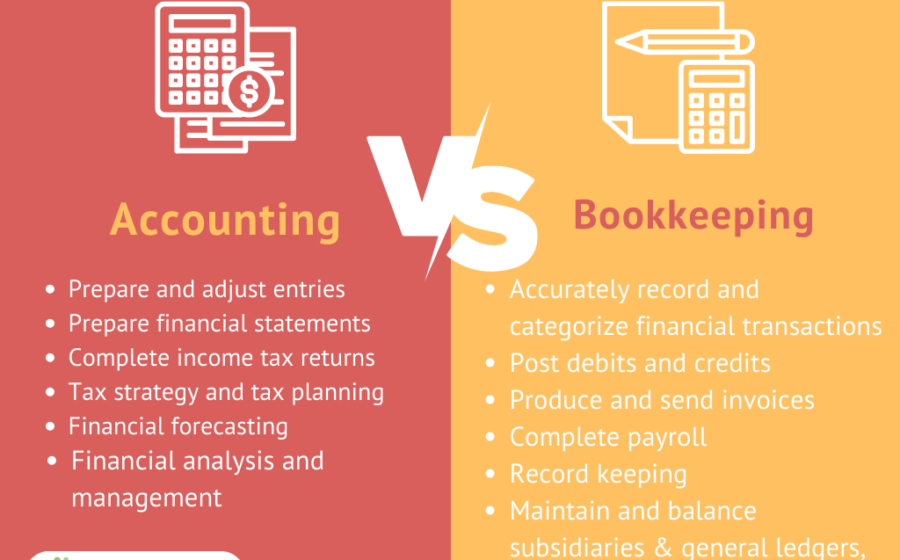
[link to related guide on bookkeeping vs accounting here]
Tip 8: Review Financial Statements Monthly, Even Basic Ones
You don’t need elaborate financial modeling in the early days — but reviewing a simple profit and loss statement monthly helps you catch spending patterns or revenue dips early, rather than discovering problems at year-end.
Tip 9: Know When to Bring in Professional Help
Once you’re dealing with employee payroll, investor reporting, or complex GST situations (multiple states, different product categories), it’s worth bringing in a part-time or fractional accountant rather than continuing to DIY everything.
FAQs
Q1: Do I really need accounting software as a very early-stage startup? It’s not strictly mandatory at the earliest stage, but it saves significant time and reduces errors compared to spreadsheets, even for very small operations.
Q2: How much should a startup set aside for taxes? A general starting benchmark is 20-25% of revenue, though the exact figure depends on your business structure and applicable tax slabs.
Q3: What’s the biggest accounting mistake new founders make? Mixing personal and business finances, which makes everything from tax filing to investor due diligence significantly more complicated later.
Q4: When should a startup hire its first accountant or bookkeeper? Once you’re spending more than a few hours weekly on financial admin, or once you have employees and GST complexity, it’s time to bring in help.
Q5: How often should I check my startup’s burn rate? Monthly at minimum, and weekly if your runway is under 6 months, since burn rate can shift quickly with unexpected expenses.
Q6: Can I manage GST filing myself as a startup founder? Yes, for straightforward cases, though many founders find it worth outsourcing once filing frequency and complexity increase.
Conclusion
You don’t need a finance degree to keep your startup’s books in order — you just need consistent habits and a willingness to look at the numbers regularly, even when it’s uncomfortable. These accounting tips for startups are meant to build a foundation you can manage yourself early on, then hand off to professionals as your business grows in complexity. The founders who stay financially disciplined from day one are the ones who avoid nasty surprises later.
Suggested Alt Text: “Startup founder reviewing basic accounting and cash flow on a laptop”