Introduction
Most businesses lose potential customers not because their product is bad, but because there’s no clear path guiding a stranger toward becoming a paying customer. Learning how to build a sales funnel properly fixes exactly this problem — it creates a structured journey that moves prospects from first awareness to purchase, without relying on luck or guesswork. This guide walks through building one from the ground up.
What a Sales Funnel Actually Is
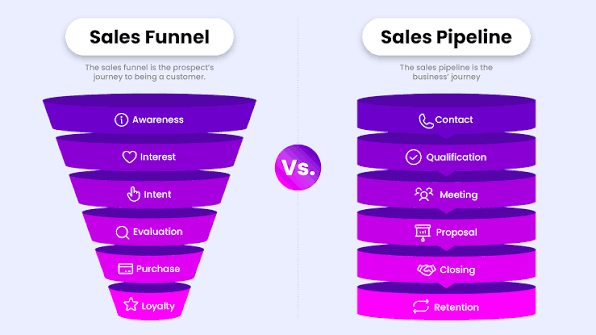
Quick answer: A sales funnel is the structured journey a potential customer moves through — from first becoming aware of your business, to considering your offering, to finally making a purchase — with each stage designed to move a smaller, more qualified group of people closer to buying.
Understanding this funnel structure lets you diagnose exactly where potential customers are dropping off, rather than guessing at what’s wrong with your marketing.
Stage 1: Awareness — Getting Noticed
This is where potential customers first discover your business exists, typically through content marketing, social media, paid ads, or word of mouth. The goal here isn’t selling — it’s earning attention and establishing initial credibility.
Stage 2: Interest — Building Curiosity
Once someone’s aware of you, the next stage is nurturing genuine interest through valuable content — blog posts, free resources, or educational emails that address their specific problems without immediately pushing a sale.
- Offer a lead magnet (free guide, checklist, or template) in exchange for an email address
- Use retargeting ads to stay visible to people who’ve shown initial interest
- Share case studies or testimonials that build credibility at this stage
Stage 3: Consideration — Comparing Options
Quick answer: At the consideration stage, prospects are actively comparing you against alternatives, so this is where detailed product information, pricing transparency, and direct comparisons to competitors become critical for keeping them in your funnel rather than losing them elsewhere.
Webinars, product demos, and detailed FAQ content work particularly well here, since prospects need reassurance before committing.
Stage 4: Intent — Signals They’re Ready to Buy
Prospects showing intent — adding items to a cart, requesting a quote, booking a demo call — need a fast, frictionless path to close. Delays or unnecessary complexity at this stage cause otherwise interested buyers to abandon the process entirely.
Stage 5: Purchase — Removing Final Friction
Make the actual purchase or sign-up process as simple as possible. Every additional form field, unclear pricing detail, or confusing checkout step is an opportunity for a ready buyer to abandon the process.
[link to related guide on cold calling scripts here]
Stage 6: Retention and Advocacy
How to build a sales funnel that actually sustains a business means not stopping at the initial purchase. Post-purchase follow-up, excellent customer support, and encouraging referrals turn one-time buyers into repeat customers and advocates who bring in new leads organically.
Identifying Where Your Funnel Is Leaking
Track conversion rates between each stage — how many awareness-stage visitors become leads, how many leads become considerations, how many considerations become purchases. The stage with the steepest drop-off is exactly where you should focus improvement efforts first.
Tools to Build and Track Your Sales Funnel
CRM tools like HubSpot or Zoho CRM help track prospects through each funnel stage automatically, while simple email marketing platforms can handle the nurture sequences that move people from interest to consideration.
FAQs
Q1: How long should a sales funnel take to move someone from awareness to purchase? This varies enormously by industry and price point — a low-cost product might convert within days, while B2B enterprise sales funnels can take several months.
Q2: What’s the biggest mistake businesses make when building a sales funnel? Focusing entirely on driving traffic to the top of the funnel while neglecting the middle stages, where most potential customers actually drop off due to lack of nurturing.
Q3: Do small businesses really need a formal sales funnel? Yes — even simple businesses benefit from mapping out this journey, since it reveals exactly where potential customers are being lost and what needs fixing.
Q4: What’s a lead magnet, and why does it matter for a sales funnel? A lead magnet is a free resource offered in exchange for contact information, and it matters because it moves anonymous website visitors into a trackable, nurturable lead.
Q5: How do I measure if my sales funnel is actually working? Track conversion rates at each stage separately rather than just looking at overall sales — this pinpoints exactly which stage needs the most improvement.
Q6: Should every business use the same sales funnel structure? No, the specific stages and channels should be adapted based on your industry, price point, and typical customer buying behavior.
Conclusion
Understanding how to build a sales funnel gives you a clear, diagnosable system instead of vague hope that marketing “just works.” Map out each stage honestly, track where prospects are dropping off, and focus your improvement efforts on the leakiest part of the journey first. A well-built funnel doesn’t just generate more sales — it makes your entire marketing and sales process measurably more predictable.
Suggested Alt Text: “Sales funnel diagram showing stages from awareness to purchase conversion”