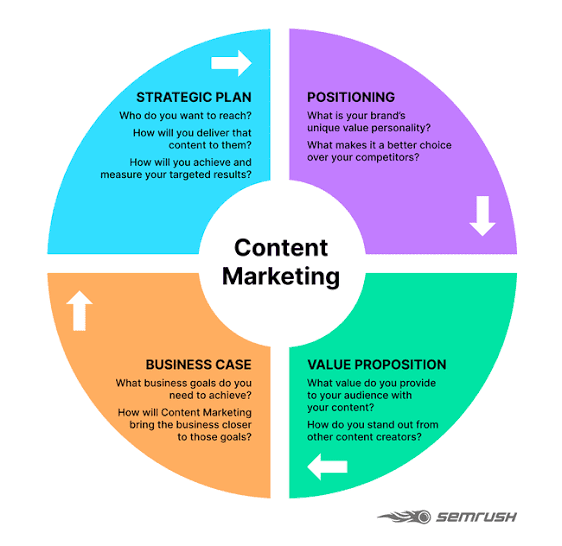
Introduction
Big brands can throw massive budgets at marketing campaigns, but that doesn’t mean small businesses are left without options. A well-planned content marketing strategy for small business growth can compete effectively even with a fraction of the budget, as long as it’s focused and consistent. This guide covers exactly how to build one without wasting money on tactics that don’t fit your size.
Why Content Marketing Works Especially Well for Small Businesses
Quick answer: Content marketing works well for small businesses because it builds trust and organic visibility over time without requiring large ad spend, allowing smaller companies to compete for attention through genuinely helpful content rather than outspending larger competitors on advertising.
Step 1: Define a Specific, Narrow Target Audience
Trying to create content for “everyone” dilutes your message and wastes limited resources. Get specific about who you’re creating content for — their exact problems, questions, and stage in the buying journey — before writing a single piece of content.
Step 2: Choose 1-2 Content Formats to Start
- Blog posts — strong for long-term SEO traffic and answering specific customer questions
- Short-form video — effective for reach and brand personality, especially on Instagram Reels
- Email newsletters — excellent for nurturing existing leads and repeat customers
Trying to master every content format simultaneously spreads a small team too thin. Pick what fits your resources and audience best, then expand once you see traction.
Step 3: Build Content Around Real Customer Questions
The most effective content marketing strategy for small business growth starts with actual questions your customers ask — check your email inbox, social media comments, and sales conversations for recurring themes, then build content directly answering them.
Step 4: Repurpose Content Across Multiple Channels
One well-researched blog post can become a LinkedIn post, an Instagram carousel, a short video script, and an email newsletter section. This multiplies your content output without multiplying your workload significantly.
Quick answer: Repurposing content means adapting a single piece of core content into multiple formats for different platforms, which maximizes reach and consistency without requiring separate research and creation for each channel.
Step 5: Focus on Consistency Over Frequency
Publishing one genuinely helpful blog post weekly consistently outperforms publishing five rushed posts one week and then going silent for a month. Small businesses often underestimate how much consistency alone builds audience trust.
Step 6: Use Free and Low-Cost Tools Effectively
Canva for design, Google Trends for topic research, and free versions of tools like Buffer for scheduling can support a full content operation without significant software costs in the early stages.
[link to related guide on brand positioning strategy here]
Step 7: Track What’s Actually Working
Monitor which specific pieces of content drive actual inquiries or sales, not just likes or views. A post with fewer views but higher-quality engagement from your target audience is more valuable than a viral post that attracts the wrong audience entirely.
Step 8: Be Patient With SEO-Focused Content
Blog content built around SEO keywords typically takes 3-6 months to start generating meaningful organic traffic. Small businesses often give up right before this content starts paying off — patience and consistency matter more than most people expect.
FAQs
Q1: How much should a small business budget for content marketing? Even a few thousand rupees monthly for basic tools and occasional paid promotion can support an effective strategy, since the primary investment is usually time rather than money.
Q2: How often should a small business publish blog content? Weekly is a strong, sustainable target for most small teams — consistency matters more than high frequency.
Q3: What’s the fastest way to see results from content marketing? Short-form video and social media content typically generate visible engagement fastest, while SEO-focused blog content takes longer but delivers more sustainable long-term traffic.
Q4: Can content marketing replace paid advertising entirely for a small business? It can significantly reduce reliance on paid ads over time, though a combination of both usually delivers the strongest overall results, especially early on.
Q5: How do I come up with content ideas consistently? Track recurring customer questions from sales calls, emails, and social comments — these almost always reveal a steady stream of relevant content topics.
Q6: Should a small business hire a content marketing agency or do it in-house? This depends on budget and team capacity — many small businesses start in-house to keep costs low, then bring in outside help once they can measure clear ROI.
Conclusion
An effective content marketing strategy for small business growth doesn’t require a massive budget — it requires focus, consistency, and content genuinely built around your actual customers’ questions. Start with one or two content formats, commit to a realistic consistent schedule, and be patient with the compounding results that come from months of consistent effort. Small businesses that stick with this approach consistently outperform ones chasing quick, unsustainable tactics.
Suggested Alt Text: “Small business owner planning a content marketing strategy on a whiteboard”