Renovating a commercial property is an exciting opportunity to rethink how a business operates. Perhaps the office needs a more practical layout, the retail floor looks outdated, or the building simply can’t keep up with modern equipment. Whatever the reason, electrical infrastructure deserves a fair share of attention during the planning process.
It’s easy to focus on fresh paint, new furniture, and attractive interiors while forgetting what’s happening behind the walls. Yet a poorly planned electrical system can undermine even the most impressive renovation.
Thoughtful electrical improvements can make a workplace more comfortable, help manage operating expenses, and create a safer environment for employees and customers.
Making the Most of a Commercial Renovation
Older commercial buildings often come with unexpected challenges. Wiring may be outdated, electrical outlets might be inconveniently positioned, and existing circuits may struggle to accommodate modern equipment.
Electrical planning for remodels & renovations provides an opportunity to address these issues while other construction work is already underway. Upgrading infrastructure before walls and ceilings are finished can help avoid unnecessary expenses later.
Consider a restaurant expanding its dining area and installing additional kitchen equipment. The renovation might look relatively straightforward on paper, but the increased electrical demand could require dedicated circuits or improvements to the main electrical supply.
The same applies to offices introducing additional workstations or retail stores updating their displays.
Discussing these requirements with a qualified electrician early in the project helps keep construction moving in the right direction.
Creating Better Workspaces Through Improved Lighting
Lighting influences how people experience a commercial environment more than many business owners realize. A dimly lit retail store might feel uninviting, while excessive glare in an office can make working uncomfortable.
Investing in commercial lighting and electrical upgrades allows businesses to improve both the appearance and functionality of their properties. Modern LED fixtures, suitable lighting controls, and carefully positioned task lighting can contribute to a more welcoming and efficient environment.
Think about a clothing store where customers need to see colors accurately or a restaurant that wants softer lighting during evening service.
Different spaces require different approaches.
Energy-efficient lighting can also help reduce electricity consumption, particularly in buildings where fixtures operate for extended periods. The key is finding a balance between energy savings, visual comfort, and the practical needs of the business.
Understanding How Power Moves Through Your Building
Most people don’t think much about electrical distribution until a circuit breaker trips or a piece of equipment suddenly loses power. However, the infrastructure responsible for delivering electricity throughout a commercial property plays an essential role in daily operations.
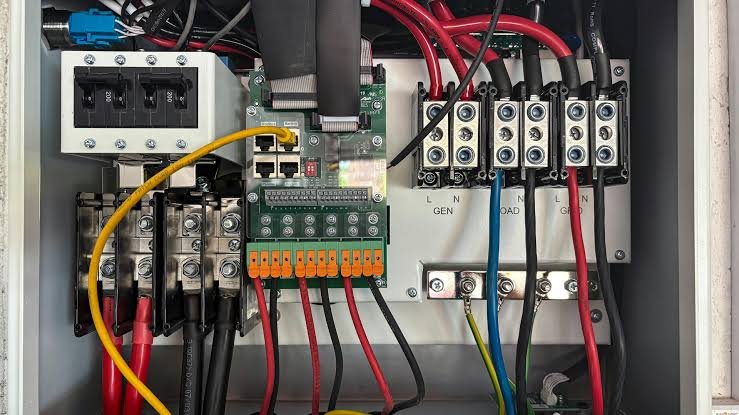
A well-designed approach to electrical distribution & power helps ensure that electricity reaches equipment, lighting, and individual work areas through appropriately sized and protected circuits.
Commercial properties often have more demanding electrical requirements than residential buildings. Refrigeration systems, industrial machinery, ventilation equipment, and computer networks may all operate simultaneously.
Proper load calculations and suitable distribution equipment help reduce the risk of overloaded circuits and unnecessary interruptions.
Businesses planning an expansion should have their existing electrical capacity professionally assessed. Adding equipment without understanding the available power supply can create complications that aren’t immediately apparent.
Recognizing When an Electrical Upgrade Is Necessary
Commercial electrical systems don’t always show obvious signs of deterioration. Sometimes, problems develop gradually until they begin interfering with everyday activities.
Frequently tripping breakers, unexplained flickering lights, buzzing sounds, and discolored outlets are all reasons to arrange a professional inspection.
An older electrical panel may also lack sufficient capacity for modern business equipment.
Not every issue requires a complete system replacement, though. A qualified electrician might identify a specific fault that can be resolved through targeted repairs or improvements.
If a burning smell, smoke, or excessive heat develops around electrical equipment, stop using the affected equipment and seek immediate assistance.
Electrical warning signs aren’t something businesses should simply learn to live with.
Reducing Business Expenses Through Thoughtful Electrical Design
Running a commercial property involves plenty of recurring expenses. Electricity, maintenance, equipment servicing, and unexpected repairs can all influence profitability.
Certain electrical improvements may help businesses manage these costs more effectively.
Replacing inefficient lighting, introducing occupancy sensors, and installing programmable controls can reduce unnecessary energy consumption. Updating deteriorating electrical components may also help prevent avoidable equipment interruptions.
However, not every electrical upgrade automatically translates into significant savings.
Before making an investment, consider existing energy consumption, installation costs, and the expected operational benefits.
Sometimes, a few carefully selected improvements deliver better financial value than an extensive renovation with features the business doesn’t genuinely need.
Planning Electrical Work Without Disrupting Business Operations
One of the biggest concerns during a commercial renovation is keeping the business operational. Closing unnecessarily can affect revenue, inconvenience customers, and disrupt employees.
Experienced electrical contractors can help coordinate installations and repairs around business schedules whenever practical.
Some work might be completed outside regular operating hours, while larger projects may benefit from being divided into manageable stages.
Clear communication between business owners, electricians, and construction teams is particularly important during this process.
Knowing when power interruptions are expected allows employees to prepare accordingly and helps minimize unnecessary confusion.
Building a Commercial Space That Works for the Future
A successful commercial renovation should accomplish more than making a building look attractive. It should improve how the property functions and prepare it for changing business requirements.
Thoughtful electrical planning, dependable installations, and energy-efficient technology can contribute to that goal.
Work with licensed professionals, prioritize safety, and consider future expansion before finalizing your renovation plans.
After all, customers may admire a beautifully redesigned interior, but the people working there every day will appreciate something equally important: a dependable electrical system that makes their jobs a little easier.