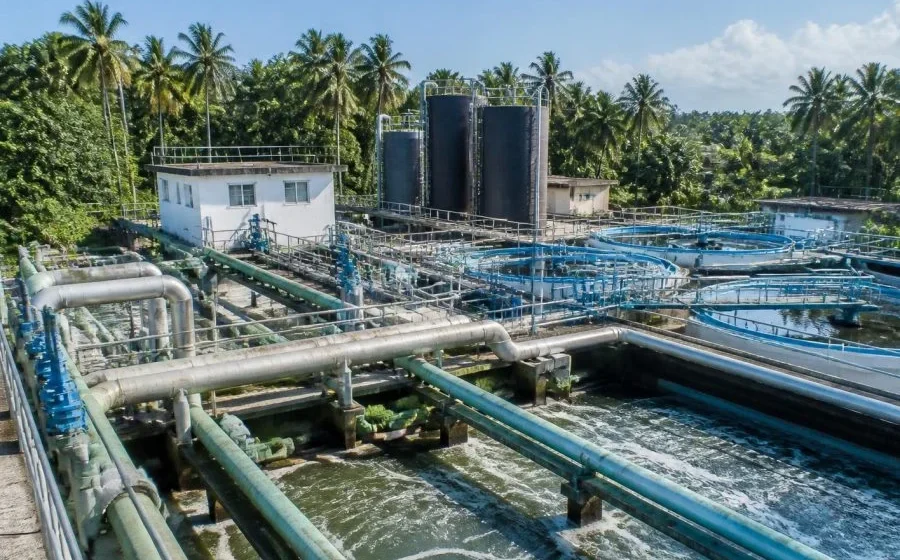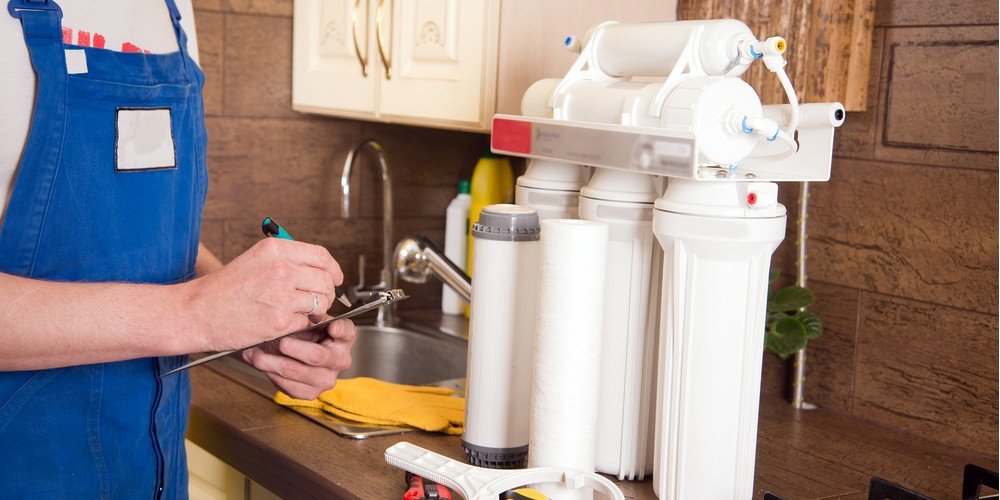
Water treatment equipment is easy to take for granted. You turn on the tap, fill a glass, wash the dishes, and get on with your day. When everything works as expected, there’s rarely a reason to think about what happens behind the scenes. But when water pressure drops, a filter becomes overdue for replacement, or a softener stops performing properly, the importance of reliable equipment suddenly becomes clear.
The good news is that keeping a water treatment system in good shape doesn’t have to be difficult. Understanding how the equipment works, choosing qualified professionals, and following a sensible care routine can help prevent many avoidable problems. Whether you’re looking after a household system or equipment used by a small business, a little attention today can save time and frustration later.
Why Choosing the Right Service Matters
Not every water treatment problem has the same cause. A system that produces hard water despite having a softener may need a settings adjustment, fresh salt, or a closer inspection of its components. A filtration system with reduced water flow might have a clogged cartridge, but the plumbing or another part of the setup could also be responsible.
That’s why professional service can be valuable when basic troubleshooting doesn’t resolve the issue. An experienced technician can inspect the equipment, identify likely causes, and explain which repairs are necessary. Rather than replacing parts based on guesswork, you can make a decision based on the system’s actual condition.
When choosing a provider, look for experience with your equipment type and brand. Ask about diagnostic fees, labour costs, parts, and warranty coverage before approving the work. A trustworthy professional should be willing to explain the problem in plain language, even if the technical details are complicated.
Customer reviews can help you understand how a company treats people, but don’t rely on ratings alone. Clear communication, realistic appointment times, and transparent pricing matter just as much. After all, you want a provider who helps you understand your equipment, not someone who leaves you more confused than before.
What to Consider Before Installing a New System
If you’re planning to install water treatment equipment, the first step isn’t necessarily choosing a product. It’s understanding what you want the system to achieve. Hard water, sediment, certain dissolved substances, and other water quality concerns require different treatment approaches. Buying equipment without identifying the problem can lead to unnecessary spending or disappointing results.
Start by considering your water source and household needs. Municipal water and private well water may present different challenges, while a small apartment and a large family home won’t necessarily need equipment with the same capacity. If you’re unsure about your water quality, appropriate testing can help guide the decision.
Professional installation is worth considering when the equipment involves plumbing changes, electrical connections, drainage, or adjustments that require specialist knowledge. Correct setup helps the system operate according to the manufacturer’s specifications and reduces the chance of leaks or avoidable performance problems.
Before the work begins, ask the installer what the quoted price includes. Does it cover fittings, connection materials, testing, and removal of old equipment? Will the water supply need to be shut off? Are there any ongoing costs you should know about? These questions may seem small, but they can prevent misunderstandings once the work is underway.
It’s also sensible to confirm the location of the new equipment. A system needs enough room for access, cleaning, replacement parts, and future repairs. Placing it in a cramped corner simply because it fits can make later maintenance much harder than necessary.
Everyday Habits That Help Protect Your Equipment
Once a system is installed, it’s tempting to assume the job is finished. In reality, most water treatment equipment needs some attention over time. Filters collect particles, softeners may consume salt, and mechanical parts can wear with regular use. The exact requirements depend on the design of the system, so the manufacturer’s instructions should always be your starting point.
A simple maintenance routine can make a noticeable difference. Check filter replacement intervals, inspect the equipment for visible leaks, and keep an eye on any warning lights or unusual noises. If your water softener uses salt, check its level according to the manufacturer’s guidance rather than waiting until the unit stops working properly.
You don’t need an elaborate spreadsheet to stay organized. A reminder on your phone can tell you when to inspect the system or replace a cartridge. Keeping receipts and brief notes about previous repairs can also help you recognize recurring issues and understand how much the equipment costs to operate over time.
Pay attention to changes in performance. Water pressure that suddenly falls, an unexpected change in taste, or water that seems harder than usual deserves investigation. Sometimes the solution is straightforward, but repeated problems shouldn’t be ignored.
One important point: routine equipment care doesn’t prove that drinking water is safe. If you suspect contamination or notice an unusual change in your water, seek appropriate testing or professional advice. Different treatment systems remove different substances, and no single device addresses every possible concern.
Understanding the Cost of Owning Water Equipment
The purchase price is only one part of the overall expense. Depending on the system, you may also need to budget for replacement filters, salt, electricity, professional inspections, and occasional repairs. Looking at these ongoing costs before buying helps you choose equipment that fits your budget over the long term.
A lower-priced model may be perfectly suitable for a household with modest water use. However, a system that requires expensive cartridges or frequent repairs could cost more over several years. On the other hand, paying for advanced features that you don’t need isn’t necessarily a wise investment either.
Ask providers for a clear breakdown of the expected costs. While no one can predict every future repair, a realistic estimate of routine supplies and recommended servicing can help you compare options fairly.
It’s also worth understanding the warranty. Find out how long it lasts, which components are covered, and whether certain maintenance tasks must be completed to keep it valid. Keep documentation somewhere accessible so you can find it when needed.
Knowing When to Call a Professional
Some tasks are suitable for homeowners, such as checking salt levels, looking at a display, or replacing a filter when the manufacturer provides clear instructions. Other issues require greater care. Electrical faults, persistent leaks, damaged plumbing connections, and recurring system failures are good reasons to seek professional assistance.
Before calling, note the equipment’s model number and describe the symptoms as clearly as possible. Mention when the issue started and whether you’ve recently changed a setting, replaced a component, or experienced a power interruption. This information can help the technician prepare for the visit.
Avoid dismantling components or changing unfamiliar settings just to see what happens. A small problem can become more expensive if the equipment is handled incorrectly. If water is leaking, follow the manufacturer’s safety guidance and take appropriate steps to limit damage while arranging help.
A good technician should explain what was found, what needs to be repaired, and whether any further work is recommended. Don’t hesitate to ask questions. Understanding the repair can help you recognize the same warning signs in the future.
Making Water Treatment Easier in the Long Run
Reliable water treatment isn’t about buying the most expensive equipment or arranging professional visits for every minor concern. It’s about matching the system to your needs, having it installed correctly, and taking reasonable steps to keep it working well.
Choose providers who communicate openly, follow the manufacturer’s recommendations, and offer support suited to your equipment. Keep a simple record of routine care, investigate unusual changes, and avoid delaying repairs when warning signs persist.
Most importantly, remember that water treatment should make everyday life more comfortable, not add another layer of stress. With informed decisions and a little consistency, you can protect your investment, manage operating costs, and get more dependable performance from the equipment you rely on every day.