Introduction
Despite the rise of social media and countless new marketing channels, email consistently delivers one of the highest returns on investment of any digital marketing tactic — but only when done right. Following proven email marketing best practices is the difference between newsletters that get opened and engaged with, versus ones that quietly pile up in a promotions folder, never read. This guide covers what actually moves the numbers.
Why Email Marketing Still Outperforms Other Channels
Quick answer: Email marketing consistently delivers strong ROI because it reaches people directly in a space they check regularly, without competing against an unpredictable social media algorithm deciding whether your content gets shown at all.
Unlike social platforms, you own your email list entirely — it’s not subject to sudden algorithm changes that can tank your reach overnight.
Best Practice 1: Write Subject Lines That Earn the Open
Your subject line is doing 80% of the work in getting your email opened at all. Specific, curiosity-driven, or benefit-focused subject lines consistently outperform vague or overly salesy ones.
- Keep subject lines under 50 characters for full visibility on mobile devices
- Avoid excessive punctuation or all-caps, which often triggers spam filters
- Test personalization (including the recipient’s name) against generic subject lines
Best Practice 2: Segment Your Email List
Quick answer: Email segmentation means dividing your subscriber list into smaller groups based on behavior, interests, or purchase history, allowing you to send more relevant content to each group rather than one generic email to everyone, which significantly improves open and click rates.
A single broadcast to your entire list almost always underperforms compared to targeted, relevant segments.
Best Practice 3: Optimize Send Timing
Testing shows response rates vary significantly based on send time, with mid-morning (around 10 AM) and early afternoon typically performing well for B2B audiences, while evenings often work better for consumer-focused brands. Test what works specifically for your audience rather than assuming a universal best time.
Best Practice 4: Focus on Value Before Promotion
Emails that consistently only sell something eventually get ignored or unsubscribed from. A healthy mix — where most emails offer genuine value (tips, insights, useful content) and only occasionally promote directly — builds long-term trust and engagement.
Best Practice 5: Keep Design Clean and Mobile-Optimized
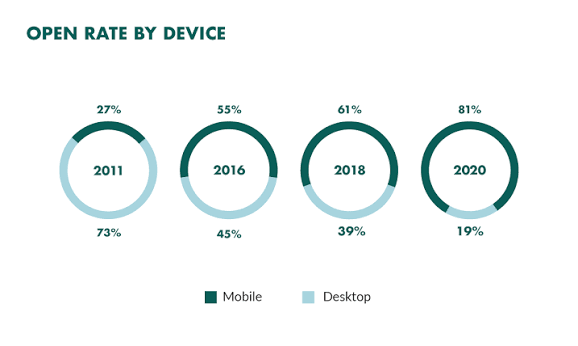
Over half of all emails are now opened on mobile devices, so a cluttered, desktop-only design significantly hurts engagement. Single-column layouts, large readable fonts, and prominent call-to-action buttons perform best across devices.
[link to related guide on SEO for beginners here]
Best Practice 6: Write a Clear, Single Call-to-Action
Emails with multiple competing calls-to-action confuse readers and dilute clicks. Focus each email around one primary action you want the reader to take, making that action visually clear and easy to find.
Best Practice 7: Clean Your Email List Regularly
Sending consistently to unengaged subscribers hurts your sender reputation with email providers, which can push future emails into spam folders even for engaged subscribers. Remove or re-engage subscribers who haven’t opened emails in 6+ months.
Best Practice 8: Test and Iterate Continuously
A/B testing subject lines, send times, and content formats reveals what genuinely resonates with your specific audience, rather than relying purely on generic industry benchmarks that may not apply to your list.
FAQs
Q1: What’s a good open rate to aim for in email marketing? Average open rates vary by industry, but 15-25% is a reasonable general benchmark, with well-segmented, engaged lists often performing significantly higher.
Q2: How often should I send marketing emails without annoying subscribers? Weekly is a common, sustainable cadence for most businesses, though this depends heavily on your industry and the type of content you’re sending.
Q3: Does email marketing still work for small businesses in 2026? Yes — email remains one of the most cost-effective channels available, especially for nurturing existing leads and repeat customers.
Q4: What’s the best way to grow an email list organically? Offering a genuinely valuable free resource (guide, discount, checklist) in exchange for an email address remains one of the most effective organic list-building tactics.
Q5: How do I avoid my emails landing in the spam folder? Avoid spam-trigger words, maintain a clean, engaged subscriber list, and ensure your sending domain has proper authentication set up.
Q6: Is personalization really worth the extra effort in email marketing? Yes, personalized emails — beyond just using a first name, including relevant content based on subscriber behavior — consistently show higher engagement compared to fully generic broadcasts.
Conclusion
Following genuine email marketing best practices transforms your campaigns from ignored newsletters into a channel your subscribers actually look forward to opening. Focus on relevant segmentation, compelling subject lines, and a healthy balance of value and promotion, then continuously test to refine what works specifically for your audience. Done consistently, email remains one of the highest-return channels available to any business.
Suggested Alt Text: “Marketer analyzing email marketing open rates and campaign performance on a dashboard”