Introduction
Success stories are easy to find online, but most lack the actual specifics that make them useful — what exactly did they post, how much did they spend, and how long did it take? This small business social media case study breaks down, step by step, how a local bakery grew revenue by 300% over 18 months using a consistent, genuinely replicable social media strategy on a modest budget.
The Starting Point: A Bakery With No Online Presence
The bakery began with a solid local reputation built purely through word of mouth and foot traffic, but almost no online visibility — a nearly inactive Facebook page and no Instagram presence at all. Foot traffic had plateaued, and the owners recognized younger customers were discovering competitors primarily through social media instead.
Step 1: Defining a Clear, Specific Goal
Quick answer: The bakery’s initial goal was specific and measurable — increase weekend foot traffic by 25% within six months through consistent Instagram content — rather than a vague goal like “get more followers,” which kept their content strategy focused on driving actual visits rather than just online engagement.
Step 2: Choosing Instagram as the Primary Channel
Given their visually appealing product (baked goods photograph well) and younger target demographic, Instagram was chosen as the primary channel, with Facebook maintained secondarily for an older customer segment already engaged there.
Step 3: Building a Consistent Content Rhythm
- Daily behind-the-scenes content showing the baking process, building authenticity
- Weekly “new item” posts highlighting seasonal or limited-time products
- Regular customer feature posts and user-generated content reposts, building community
Posting consistently, even simple smartphone content, mattered significantly more than occasional highly polished posts.
Step 4: Leveraging Local Hashtags and Geotags
Quick answer: Consistently using local, city-specific hashtags and geotagging their exact location helped the bakery appear in local discovery searches, driving visibility specifically among nearby potential customers rather than a broad, less relevant audience.
Step 5: Running Small, Targeted Local Ad Campaigns
With a modest monthly ad budget (roughly ₹5,000-8,000), the bakery ran geographically targeted Instagram ads promoting specific weekend specials, driving measurable foot traffic increases tracked directly through in-store mentions of the ads.
Step 6: Building Genuine Community Engagement
Responding personally to every comment and message, rather than generic automated responses, built a loyal following that regularly engaged with and shared the bakery’s content organically, extending reach beyond paid efforts alone.
[link to related guide on content marketing strategy for small business here]
The Results After 18 Months
Within six months, the bakery hit their initial 25% foot traffic goal. By 18 months, overall revenue had grown 300% compared to the pre-social-media baseline, with weekend sales specifically becoming the strongest revenue driver of the week, directly traceable to social-media-promoted specials.
Key Lessons From This Case Study
Consistency mattered more than perfection — simple, authentic smartphone content outperformed occasional expensive photoshoots. Local, geographically targeted efforts (hashtags, geotags, local ads) drove significantly better ROI than broad, generic content aimed at a wide, less relevant audience.
FAQs
Q1: How long did it take before this bakery saw meaningful results? Initial measurable improvement (25% foot traffic increase) appeared within 6 months, with the full 300% revenue growth compounding over 18 months of consistent effort.
Q2: What was the bakery’s approximate monthly marketing budget? Roughly ₹5,000-8,000 monthly on targeted local ads, combined with organic content requiring primarily time investment rather than significant additional spend.
Q3: Can this social media strategy work for other types of small businesses? Yes, the core principles — consistency, local targeting, genuine community engagement — apply broadly across visually appealing local businesses like cafes, salons, and boutique retail.
Q4: Did the bakery need professional photography for their content? No, most of their content was shot on a smartphone, prioritizing consistency and authenticity over professional polish.
Q5: How important were local hashtags to this bakery’s growth? Very important — local hashtags and geotags were a primary driver of new customer discovery, connecting the bakery specifically with nearby potential customers actively searching for local options.
Q6: What would you say was the single biggest factor in this bakery’s growth? Consistency combined with genuine, personal community engagement stood out as the most significant factor, more than any single viral post or expensive campaign.
Conclusion
This small business social media case study demonstrates that meaningful growth doesn’t require a massive budget or professional production quality — it requires consistency, genuine local targeting, and real community engagement sustained over time. Small businesses looking to replicate this success should focus on the same core principles: a clear goal, consistent posting, and authentic engagement with their specific local audience.
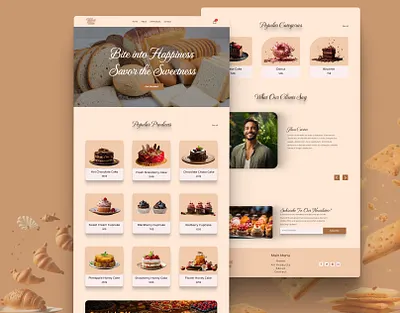
Suggested Alt Text: “Local bakery showcasing products on Instagram as part of a social media growth strategy”