Introduction
Roughly 9 out of 10 startups don’t make it past a few years, and it’s rarely because the idea was bad — it’s almost always startup mistakes that were entirely avoidable. Founders get so focused on building the product that they overlook the operational and financial basics that actually keep a company alive. This article walks through the mistakes that most commonly sink startups in year one, so you can spot them before they sink yours.
Mistake 1: Building Without Talking to Customers First
The single most common startup mistake is spending six months building a full product before ever validating whether anyone actually wants it. Founders fall in love with their solution and skip the uncomfortable step of testing demand early.
Talk to at least 20-30 potential customers before writing a line of code. If you can’t get people excited enough to pre-order, sign up for a waitlist, or commit time to a pilot, that’s a signal worth listening to.
Mistake 2: Ignoring Cash Flow Until It’s a Crisis
Profitable-looking startups run out of cash all the time because founders track revenue but not actual cash flow timing. A client who pays in 60 days can still bankrupt you if your expenses are due in 30.
Quick answer: Poor cash flow management, not lack of profitability, is one of the top reasons startups shut down — founders often confuse having sales with having cash actually available to pay bills.
Mistake 3: Hiring Too Fast, Too Early
Flush with early funding, many founders hire aggressively before they’ve even nailed down their core processes. This bloats monthly burn rate and often means hiring for roles that don’t need to exist yet.
- Hire only for roles directly tied to your next major milestone
- Use contractors or freelancers to test a role before committing to a full-time hire
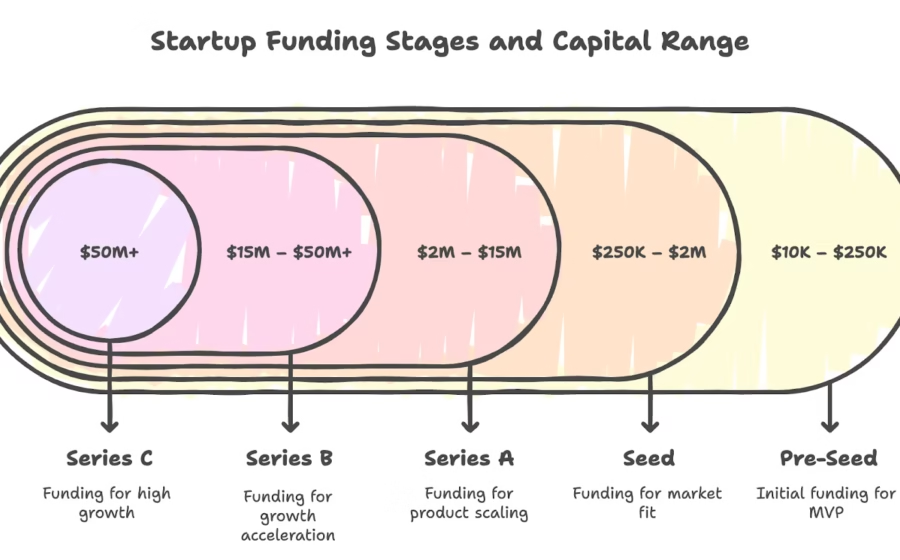
- Keep your burn rate low enough to survive at least 12-18 months without new funding
Mistake 4: Founder Conflict Left Unresolved
Co-founder disagreements are one of the most underestimated killers of early startups. Disputes over equity, roles, or vision — left unaddressed — eventually blow up at the worst possible time, often right before a funding round.
Quick answer: Unresolved co-founder conflict is a leading cause of early startup failure, and it’s almost always preventable through a clear founder agreement covering equity vesting, roles, and decision-making before problems arise.
Put a founder agreement in writing on day one, including vesting schedules and what happens if someone wants to leave.
Mistake 5: No Clear Target Customer
Trying to build a product “for everyone” usually means it resonates with no one. Startups that succeed early almost always start with a tightly defined niche customer before expanding outward.
Define your ideal customer specifically enough that you could describe their exact daily frustration in one sentence — if you can’t, your marketing and product decisions will stay unfocused.
Mistake 6: Underpricing the Product
New founders often underprice out of fear that no one will pay more. This backfires badly — it attracts price-sensitive customers who churn quickly and makes it harder to raise prices later without backlash.
Test pricing early with a small group and don’t be afraid to charge what reflects the actual value you’re delivering, even in the first few months.
Mistake 7: Ignoring Legal and Compliance Basics
Skipping proper contracts, IP assignment agreements, or basic compliance registrations feels harmless until a dispute or funding round forces you to clean it up under pressure — often at a much higher cost than doing it right the first time.
[link to related guide on startup legal essentials here]
FAQs
Q1: What’s the number one reason startups fail in year one? Building something the market doesn’t actually want is consistently cited as the top reason, closely followed by running out of cash.
Q2: How can I avoid hiring too fast as a startup founder? Tie every hiring decision to a specific milestone or bottleneck, and use freelancers or part-time help to validate the need before committing to a full-time salary.
Q3: Is it normal for co-founders to disagree? Yes, disagreement itself is normal — the danger is leaving major disagreements (especially around equity and roles) undocumented and unresolved.
Q4: How much cash runway should a startup keep? Most advisors recommend at least 12-18 months of runway at any given time to avoid being forced into a rushed, unfavorable funding round.
Q5: Should I lower my prices to get more customers early on? Generally no — underpricing attracts the wrong customers and makes future price increases harder. Focus on communicating value instead.
Q6: When should a startup start worrying about legal compliance? From day one — basic contracts, IP assignments, and registration should be in place before you have paying customers or outside investment.
Conclusion
Most startup mistakes aren’t about the big, dramatic failures people imagine — they’re small, avoidable missteps in cash management, hiring, and customer validation that compound over months. The good news is that almost every mistake on this list is preventable with a bit of discipline early on. Audit your own startup against this list today — the earlier you catch these issues, the cheaper they are to fix.
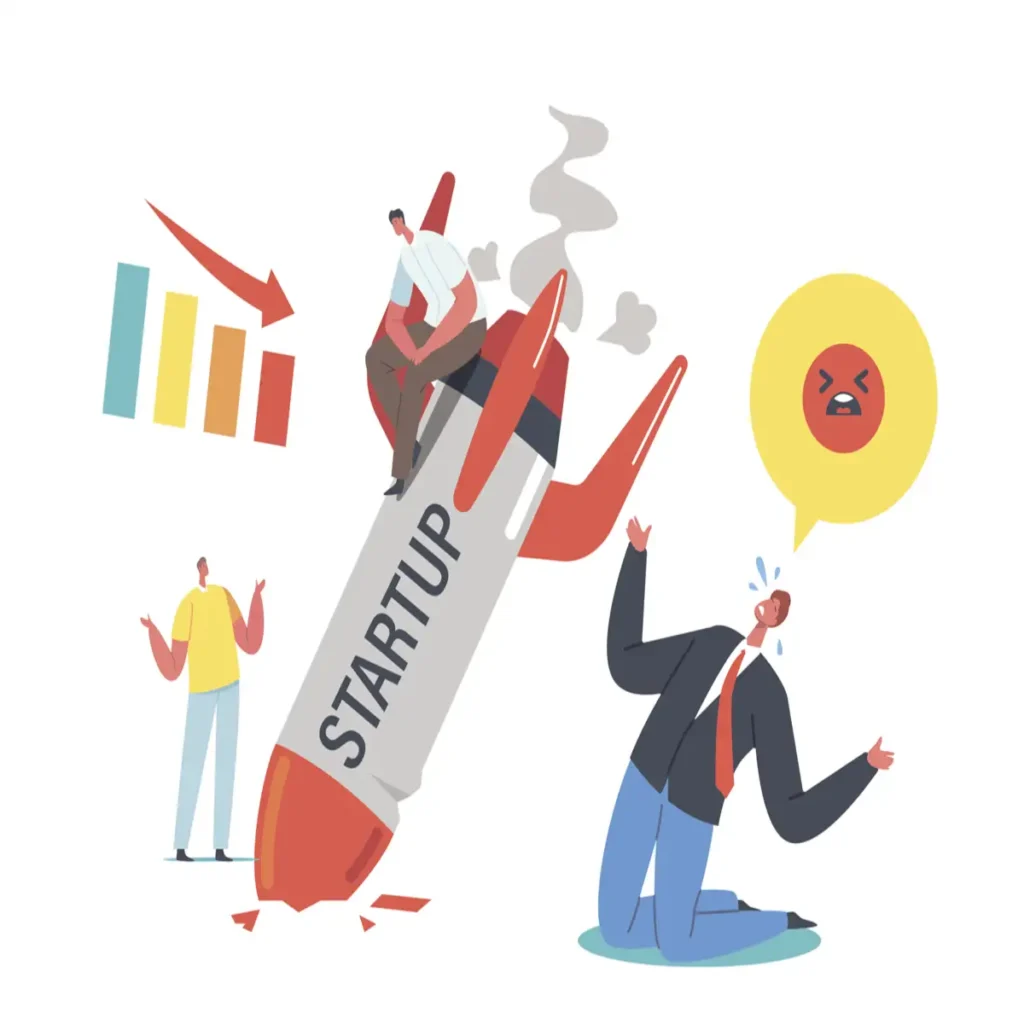
Suggested Alt Text: “Frustrated startup founder reviewing financial mistakes and cash flow charts”