Introduction
Managing people you can’t physically see working feels uncomfortable for a lot of leaders, and the instinctive response is often to over-monitor — constant check-ins, tracking software, endless status updates. But learning how to lead a remote team effectively actually requires the opposite approach: building systems of trust and clear accountability rather than surveillance. This guide covers what actually works.
Why Micromanagement Fails Even Harder Remotely
In an office, micromanagement is annoying but somewhat contained. Remotely, it actively damages trust and often signals to employees that they’re not believed to be capable of independent work — which ironically tends to reduce the very productivity leaders are trying to protect.
Quick answer: Micromanaging a remote team typically backfires because it signals distrust, increases employee anxiety, and shifts focus from actual output to visible “busyness,” which often reduces genuine productivity rather than improving it.
Set Clear Expectations From the Start
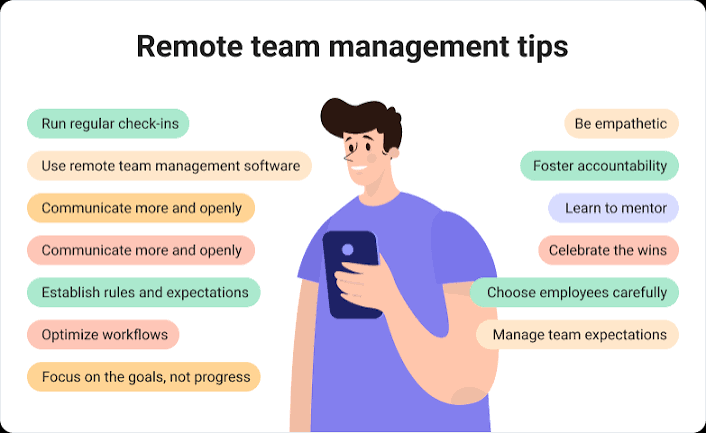
The foundation of leading remotely without micromanaging is crystal-clear expectations upfront — specific deliverables, deadlines, and quality standards, communicated in writing so there’s no ambiguity about what “done” actually looks like.
Focus on Outcomes, Not Hours
Remote leadership works best when you measure results rather than time spent logged in. An employee who delivers excellent work in 5 focused hours shouldn’t be penalized compared to one who spends 8 hours visibly “online” but less productive.
- Define specific, measurable outcomes for each role
- Set regular check-in points tied to deliverables, not daily status reports
- Avoid tools that track keystrokes or screen time — they damage trust more than they help
Build Structured but Flexible Communication Rhythms
Quick answer: Effective remote leadership relies on structured communication rhythms — regular team syncs, clear async updates, and scheduled one-on-ones — rather than constant real-time monitoring, which gives employees autonomy while still maintaining visibility into progress.
Weekly team syncs combined with brief async daily updates (a few lines in Slack, not a formal report) usually strike the right balance.
Trust Employees With Autonomy Over Their Schedule
Remote employees generally know their own productive hours better than a rigid 9-to-5 mandate allows for. Giving reasonable flexibility over when work happens — as long as deliverables and required meeting times are met — tends to increase both satisfaction and output.
Create Genuine Connection Despite Distance
Remote teams can drift into feeling purely transactional without deliberate effort to build connection. Regular informal check-ins, virtual team activities, or even just starting meetings with a few minutes of casual conversation help maintain team cohesion.
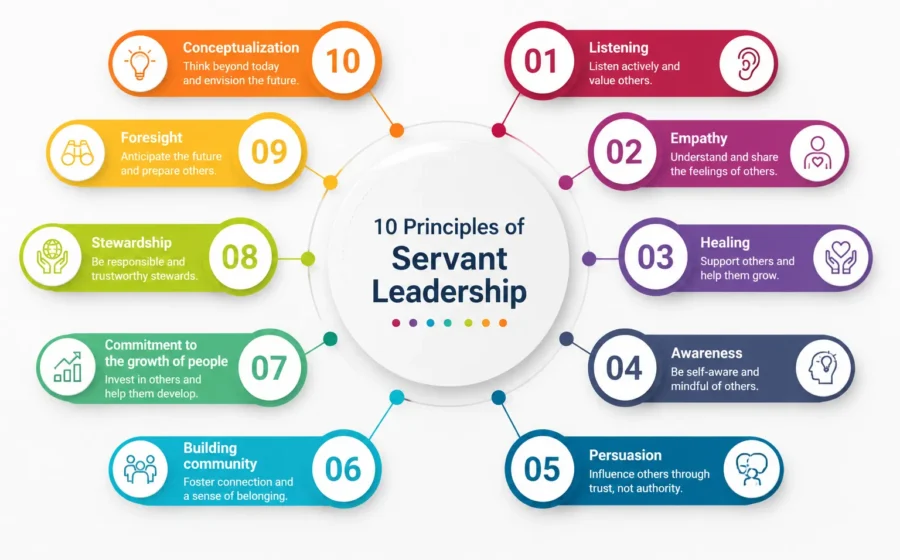
[link to related guide on servant leadership here]
Address Underperformance Directly, Not Through Increased Surveillance
When someone’s output genuinely drops, the answer isn’t to start monitoring their screen time — it’s a direct, honest conversation about what’s happening and what support they need. Increased surveillance rarely fixes an underlying performance or motivation issue.
Use the Right Tools Without Overdoing It
Project management tools like Asana or Trello, combined with a clear documentation habit, give visibility into progress without requiring constant check-ins. The goal is transparency built into the workflow itself, not manual reporting layered on top of it.
FAQs
Q1: How do I know if my remote team is actually being productive? Focus on whether deliverables are being met on time and to quality standards — that’s a far more reliable signal than time-tracking or activity monitoring.
Q2: Should remote employees be required to be online during fixed hours? Some overlap for meetings and collaboration is usually necessary, but rigid full-day monitoring tends to reduce trust without meaningfully improving output.
Q3: How often should a remote team have meetings? A weekly full-team sync plus brief daily async updates works well for most teams — daily video meetings often become unnecessary overhead.
Q4: What’s the biggest mistake leaders make when managing remote teams for the first time? Defaulting to increased monitoring and check-ins out of discomfort with reduced visibility, which usually damages trust rather than improving performance.
Q5: How do I build trust with a remote team I’ve never met in person? Consistent, transparent communication and following through on commitments builds trust faster than any single team-building activity.
Q6: Is it harder to identify underperformance in a remote team? It can take slightly longer to notice, which is exactly why clear, measurable deliverables and regular check-ins matter more in a remote setting.
Conclusion
Learning how to lead a remote team well comes down to a simple shift: trust outcomes over visibility, and build clear structures instead of relying on constant oversight. Micromanagement might feel like control, but it consistently backfires by damaging the very trust that makes remote teams function well in the first place. Start by clarifying expectations for your team this week, then step back and let your team show you what they can deliver.
Suggested Alt Text: “Remote team leader video conferencing with employees while managing without micromanaging”